Review: Christmas Horse Distressed Sublimation B for Embroidery
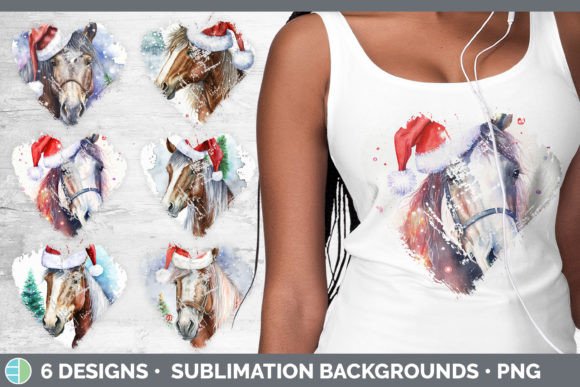
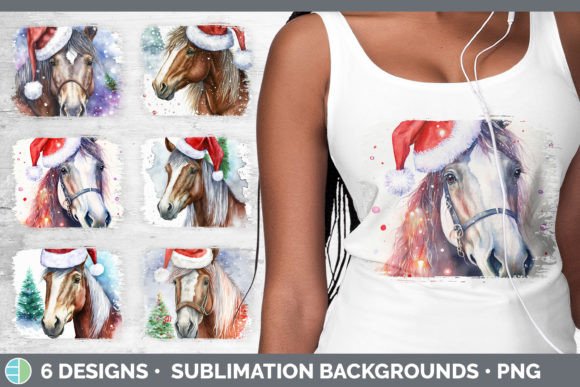
As a designer who spends more time at the hoop than away from it, I approach every new digital embroidery file with a mix of curiosity and caution. When I first pulled up Christmas Horse Distressed Sublimation B on my screen, categorized under Illustrations, my initial reaction was one of aesthetic appreciation. The distressed texture gives it a vintage, worn-in charm that feels perfectly suited for the current trend of rustic holiday decor. However, appreciating a graphic on a monitor is vastly different from translating it into thread. My job is to determine if this design holds up under the needle or if it's strictly a print-only asset.
The Visual Personality and Stitch Potential
The core appeal of Christmas Horse Distressed Sublimation B lies in its mood. It isn't a crisp, vector-sharp image; it embraces a weathered look that suggests history and warmth. For an embroidery project, this "imperfect" quality can actually be a blessing. In machine embroidery, trying to replicate high-definition gradients often leads to excessive stitch counts and puckering. A distressed style, however, allows us to use varied stitch density to mimic that worn effect naturally.
If this design were converted or adapted into a machine embroidery design, the layout suggests a strong candidate for a combination of fill stitch for the body of the horse and perhaps some running stitch or light satin stitch accents for the festive elements. The lack of solid, heavy blocks of color means less risk of the fabric pulling or distorting, which is a common headache with dense holiday motifs. The visual personality screams "boutique," making it an ideal choice for small shop product lines that aim for a handmade, artisanal feel rather than a mass-produced look.
Real-World Application: The Holiday Tote Scenario
To truly test the viability of Christmas Horse Distressed Sublimation B, I imagined a specific real-life scenario: creating a limited run of canvas tote bags for a local farm-to-table market's holiday pop-up. These bags needed to feel durable yet festive. Using a heavy-weight cotton canvas, the distressed nature of the horse illustration would complement the texture of the fabric beautifully.
In this context, the design would serve as a central focal point. Unlike a standard clip-art horse, this illustration carries a narrative weight. Customers browsing an Etsy seller's shop or walking through a craft fair are drawn to items that tell a story. A personalized gift featuring this design on a tote bag implies thoughtfulness. It moves beyond generic "Merry Christmas" text and offers a visual anchor that feels curated. For custom apparel, such as a heather-grey sweatshirt, the distressed lines would blend seamlessly with the fabric's natural variation, creating a cohesive finished product that looks like it has been loved for years.
Navigating Fabric and Hoop Constraints
While the aesthetic is strong, practical execution requires careful planning. One must consider where Christmas Horse Distressed Sublimation B might struggle. If you are working with stretchy fabrics like jersey knits for baby embroidery projects, the distressed details could get lost or cause instability if the stitch density isn't managed correctly. A stabilizer with significant tear-away or cut-away backing would be non-negotiable here to prevent the design from warping after washing.
Furthermore, the hoop size is a critical factor. If the original illustration is large and detailed, cramming it into a small 4x4 hoop for a cap or a pocket patch might result in a loss of definition. The "distressed" elements might turn into muddy blobs of thread if the resolution of the embroidery file isn't high enough or if the stitch count is too low for the reduced size. For curved surfaces like caps, the layout needs to be centered perfectly; otherwise, the asymmetry of a distressed design can look unintentional rather than artistic.
Dark fabrics present another challenge. Since this is originally a sublimation design, it likely relies on light backgrounds. Translating this to embroidery on a navy or black garment requires strategic thread colors. You cannot simply stitch the design as-is; you may need to add a light underlay or adjust the color palette to ensure the horse stands out against the dark fabric texture. Ignoring this contrast issue could render the intricate details invisible, ruining the visual appeal.
Commercial Value and Brand Consistency
For creative entrepreneurs and craft business owners, the bottom line is whether a design drives sales. Christmas Horse Distressed Sublimation B has high potential for buyer engagement because it fits squarely into the popular "farmhouse Christmas" niche. When used consistently across a brand's offerings—perhaps on tea towels, pillow covers, and aprons—it builds brand recognition. Customers begin to associate that specific rustic horse motif with your shop's quality.
However, professionalism is key. A sloppy execution of a distressed design looks like a mistake, whereas a precise execution looks intentional. This affects customer trust. If a client orders a holiday gift and the stitching frays or the details are indistinct, they won't blame the design; they will blame the maker. Therefore, testing is essential. Before listing this as a commercial embroidery item, one should run tests on scrap fabric to check how the thread interacts with the specific material. Does the distressed edge fray too easily? Is the stitch density too light, leaving gaps in the fabric?
Final Designer Notes and Best Practices
Before committing to a production run with Christmas Horse Distressed Sublimation B, here are my practical recommendations for fellow makers:
- Test on Scraps First: Always stitch a sample on the exact fabric you intend to sell. What looks good on polyester might fail on cotton.
- Check Contrast: View your digital mockups in black and white to ensure the design's silhouette remains clear without relying on color.
- Verify Licensing: Since this is categorized as an illustration potentially intended for sublimation, confirm the license terms before selling it as a stitched handmade product. Some sublimation files do not include rights for digitization or physical resale.
- Stabilizer Selection: Match your stabilizer to the fabric weight. Lightweight fabrics need more support to handle the texture of the distressed stitching.
- Thread Quality: Use high-sheen rayon or matte polyester threads to enhance the vintage feel. Avoid cheap threads that may break during the varied density changes.
In conclusion, Christmas Horse Distressed Sublimation B offers a compelling visual foundation for holiday-themed goods. Its strength lies in its ability to convey warmth and nostalgia, traits that resonate deeply with buyers of personalized products. While it requires thoughtful adaptation from a print mindset to a stitch mindset, the resulting embroidered patch or garment can be a standout item in any winter collection. With the right technical approach and attention to detail, this design can elevate a simple piece of fabric into a cherished keepsake.