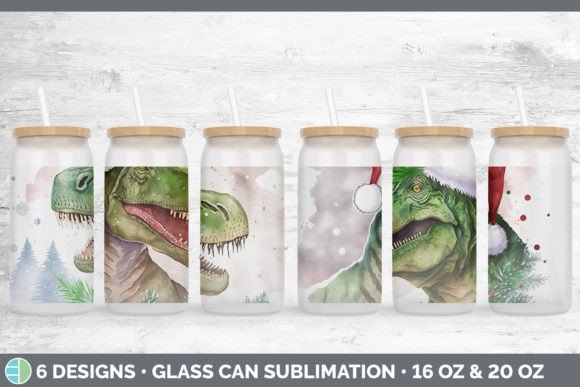
Dinosaur Christmas Mug Sublimation: A Designer's Review
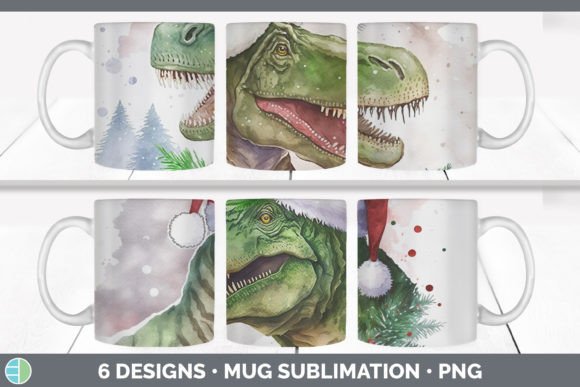
As a designer who spends more time staring at stitch maps than most people care to admit, I approach every new machine embroidery design with a mix of curiosity and skepticism. When I first pulled up the Dinosaur Christmas Mug Sublimation file on my screen, my initial reaction was one of amusement. It is a quirky juxtaposition—prehistoric beasts meeting holiday cheer—but that is exactly the kind of unexpected combo that sells in today's market. However, looking at a digital preview is one thing; translating that into a tangible finished product is entirely another. This review breaks down how this specific illustration holds up when you move from the computer screen to the embroidery hoop.
First Impressions and Visual Personality
The mood of this design is undeniably playful. It leans heavily into the "cute" factor rather than realistic paleontology, which makes it incredibly versatile for a wide range of demographics. The lines are clean, and the composition feels balanced, suggesting that the original artist understood how vector shapes translate into thread. For those of us creating handmade products, visual clarity is king. If a design looks muddy on a high-resolution monitor, it will look like a mess once stitched out.
What stands out immediately is the potential for color play. While the source file is labeled as sublimation, adapting this for embroidery requires a keen eye for thread colors. The contrast between the dinosaur greens or browns and the festive reds or whites of the mug handle and steam needs to be sharp. In my mental walkthrough of stitching this, I can see it working beautifully as a satin stitch outline with fill stitch bodies, provided the density isn't too aggressive. The personality of the piece screams "novelty gift," making it a strong contender for last-minute holiday rushes where customers want something unique but not overly serious.
Real-World Application Scenarios
Let's get practical. Where does Dinosaur Christmas Mug Sublimation actually belong in a craft business? I recently envisioned a project for a local boutique that specializes in eclectic home goods. They needed a run of kitchen towel sets that would appeal to young parents. This design fits that brief perfectly. Imagine a set of flour sack towels, each featuring a different dinosaur wearing a Santa hat, holding a steaming mug. The whimsical nature of the art elevates a simple towel into a conversation piece.
Beyond linens, this design shines on custom apparel. A toddler's sweatshirt featuring this graphic is an instant winner. Parents love dressing their kids in themed outfits, and the combination of dinosaurs and Christmas covers two massive interests. For an Etsy seller, this could be the anchor product for a "Dino-Mite Christmas" collection. You could also adapt it for an embroidered patch. By using a merrow edge border around the design, you create a durable accessory that kids can iron onto backpacks or denim jackets. The scale of the illustration seems appropriate for a 4x4 or 5x7 hoop, which is standard for most home machines and small commercial setups.
Navigating Fabric and Technical Challenges
While the design is charming, we must address the technical realities of embroidery. Not every fabric is created equal. If you plan to stitch this onto a textured fabric like a waffle weave or a thick terry cloth towel, you need to be cautious. The fine details of the mug's steam or the dinosaur's scales might get lost in the texture of the base material. In these cases, I recommend using a heavier cut-away stabilizer to prevent the fabric from pulling and distorting the image.
Another consideration is stitch density. If the original sublimation art has large areas of solid color, converting those directly to fill stitches can result in a stiff, cardboard-like feel on the garment. This is particularly important for baby embroidery projects where softness against the skin is non-negotiable. You may need to adjust the density settings in your digitizing software or opt for a lighter fill pattern. Furthermore, if you are attempting this on a curved surface like a cap, ensure the design width fits the available stitching area without wrapping too far around the sides, which can cause registration issues.
Dark fabrics present their own challenge. Since this design likely relies on light colors for the mug and steam, stitching it directly onto a black hoodie might require an underlay or even an applique approach. An applique design method, where you stitch a white fabric shape down first and then embroider the dinosaur on top, could solve contrast issues while adding a nice textural dimension to the holiday embroidery project.
Enhancing Brand Value and Customer Trust
In the world of small shop products, presentation is everything. Using a well-composed design like Dinosaur Christmas Mug Sublimation signals to your customers that you have an eye for detail. It shows you aren't just slapping random clipart onto a shirt; you are curating themes that resonate. This level of thoughtfulness builds customer trust. When a buyer receives a personalized gift that looks professional and cohesive, they are more likely to return for future purchases or recommend your brand to friends.
For those selling digital embroidery files, the quality of the preview images matters immensely. Before listing this as a design asset, create printable mockups that show the design on various items—a tote bag, a onesie, a pillow cover. This helps potential buyers visualize the end result and increases the perceived value of your digital product. Consistency in your branding, using distinct themes like this one, helps carve out a niche in a crowded marketplace.
Essential Designer Notes and Best Practices
Before you commit to a full production run or list this item in your store, there are several critical steps to take. First and foremost, test the design on scrap fabric that matches your final product. Do not skip this step. What looks good on polyester might behave differently on cotton or fleece. Check the thread color contrast under different lighting conditions to ensure the details pop.
- Review stitch density: Ensure that dense areas won't cause puckering, especially on stretchy fabrics.
- Confirm hoop size: Verify that the design fits within your machine's maximum hoop capacity without needing re-hooping.
- Inspect small details: Zoom in on the digitized file to check for tiny running stitches that might break or pull out during washing.
- Test in black and white: Sometimes viewing the design in grayscale helps identify value issues where colors might blend together too much.
- Compare backgrounds: See how the design performs on both light and dark fabric backgrounds to anticipate customer requests.
- Use proper stabilizer: Match your stabilizer type to the fabric weight; water-soluble for towels, cut-away for knits.
Finally, always confirm licensing before selling finished items or digital products. Just because a file is available for download does not automatically grant commercial rights. Ensure you have the correct license for commercial embroidery use to avoid legal headaches down the road. If the product description does not explicitly state the license terms, reach out to the creator or check the documentation provided with the embroidery file.
In conclusion, Dinosaur Christmas Mug Sublimation offers a delightful blend of humor and holiday spirit that, when executed with care, can become a standout item in any seasonal collection. By paying attention to fabric choice, stitch technique, and presentation, you can transform this digital illustration into a cherished physical keepsake. Whether you are decorating a single gift for a nephew or stocking shelves for a boutique, this design has the potential to bring a smile to anyone who loves dinosaurs and the holidays.